


This study’s goal is to assess the key areas of prioritization of medical device manufacturers in their quality and regulatory affairs. It enables medical device quality assurance and regulatory affairs leaders to understand and plan for challenges and trends in the industry with peer-driven insights. It empowers them with practical recommendations to set up best in class operations for quality management system compliance, regulatory compliance, risk management and enhanced post market surveillance activities to elevate organizational effectiveness and efficiency.
100 leaders across Quality Assurance and Regulatory Affairs (QARA) functions participated in this study conducted between April 26, 2023 and May 15, 2023. Some survey questions included multiple selection options, so totals do not always add up to 100.
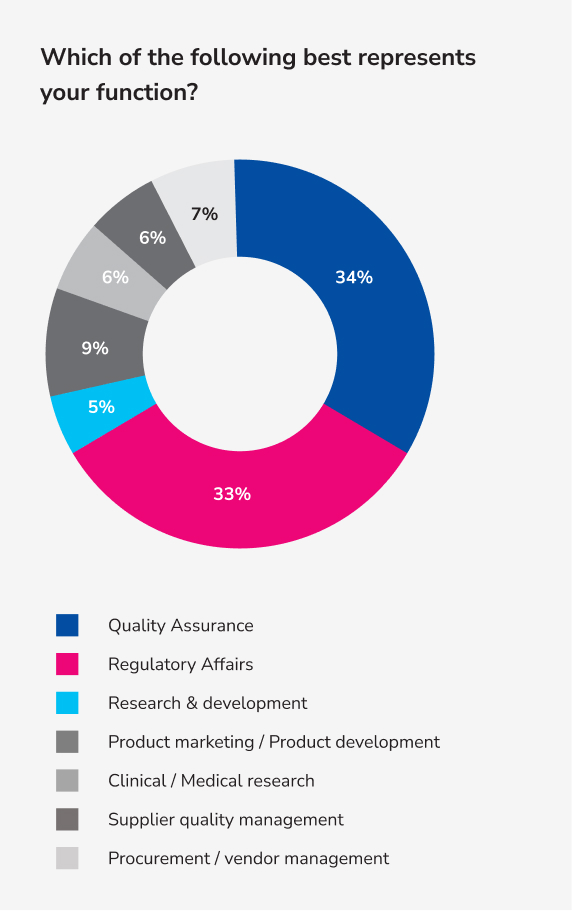
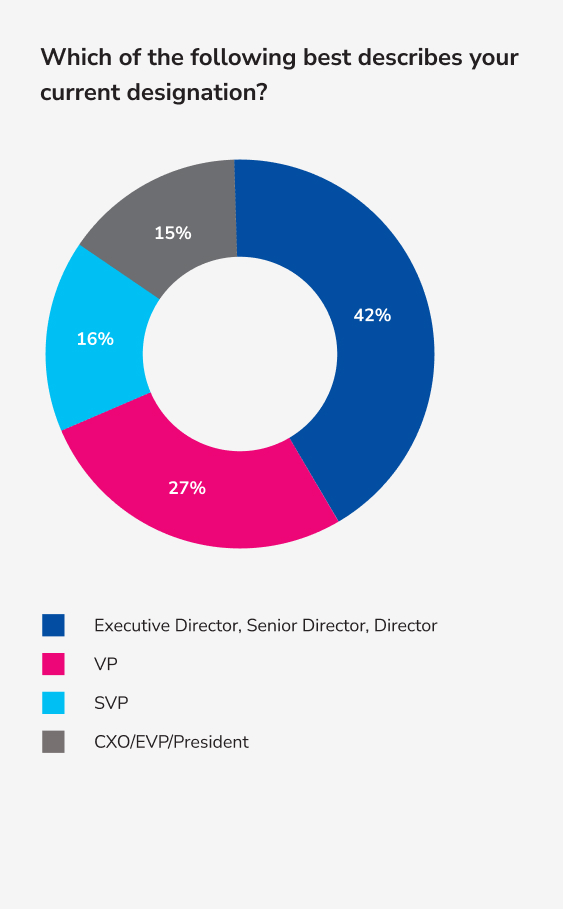
Quality Assurance and Regulatory Affairs leaders across company sizes and therapies participated in the study
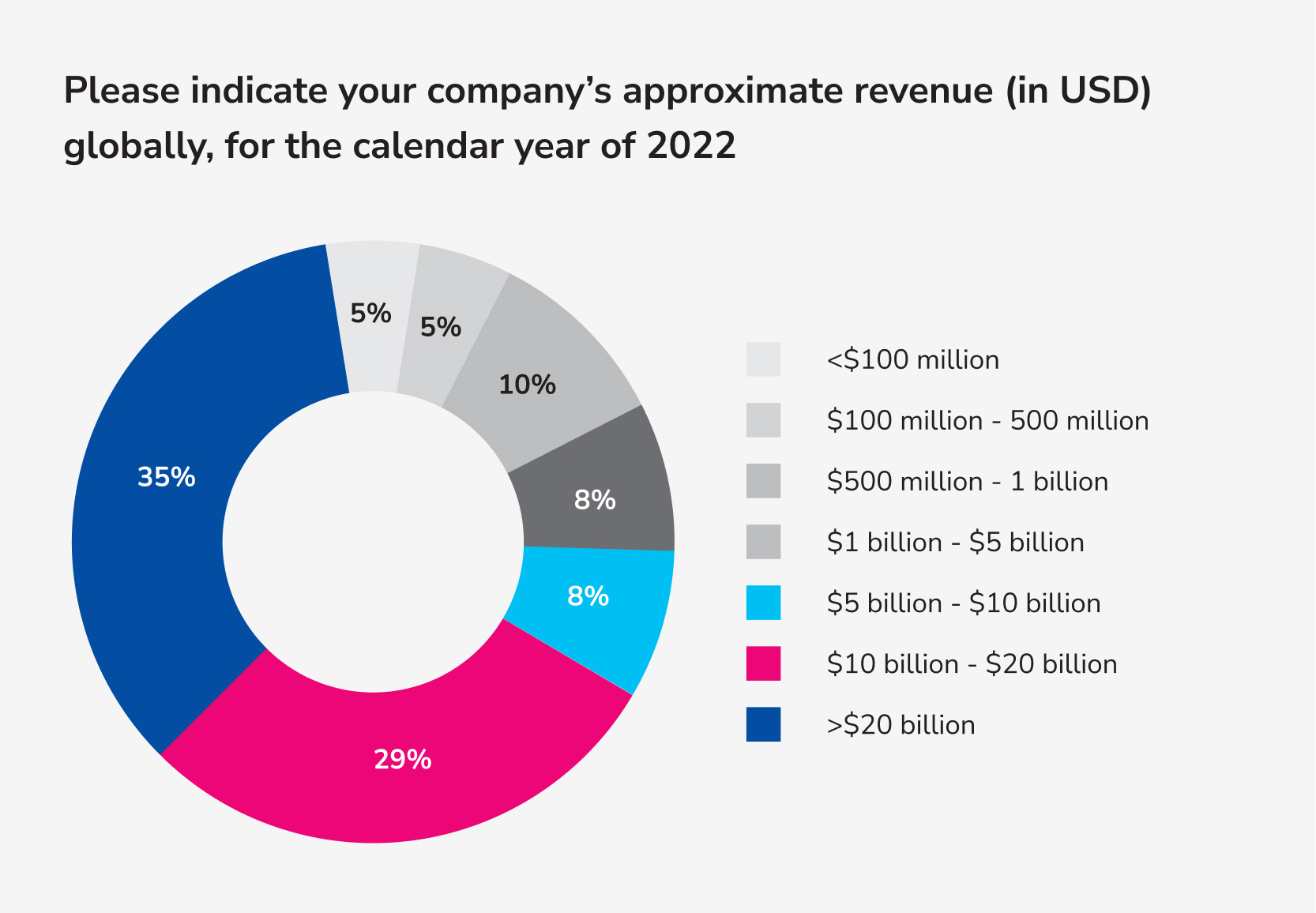
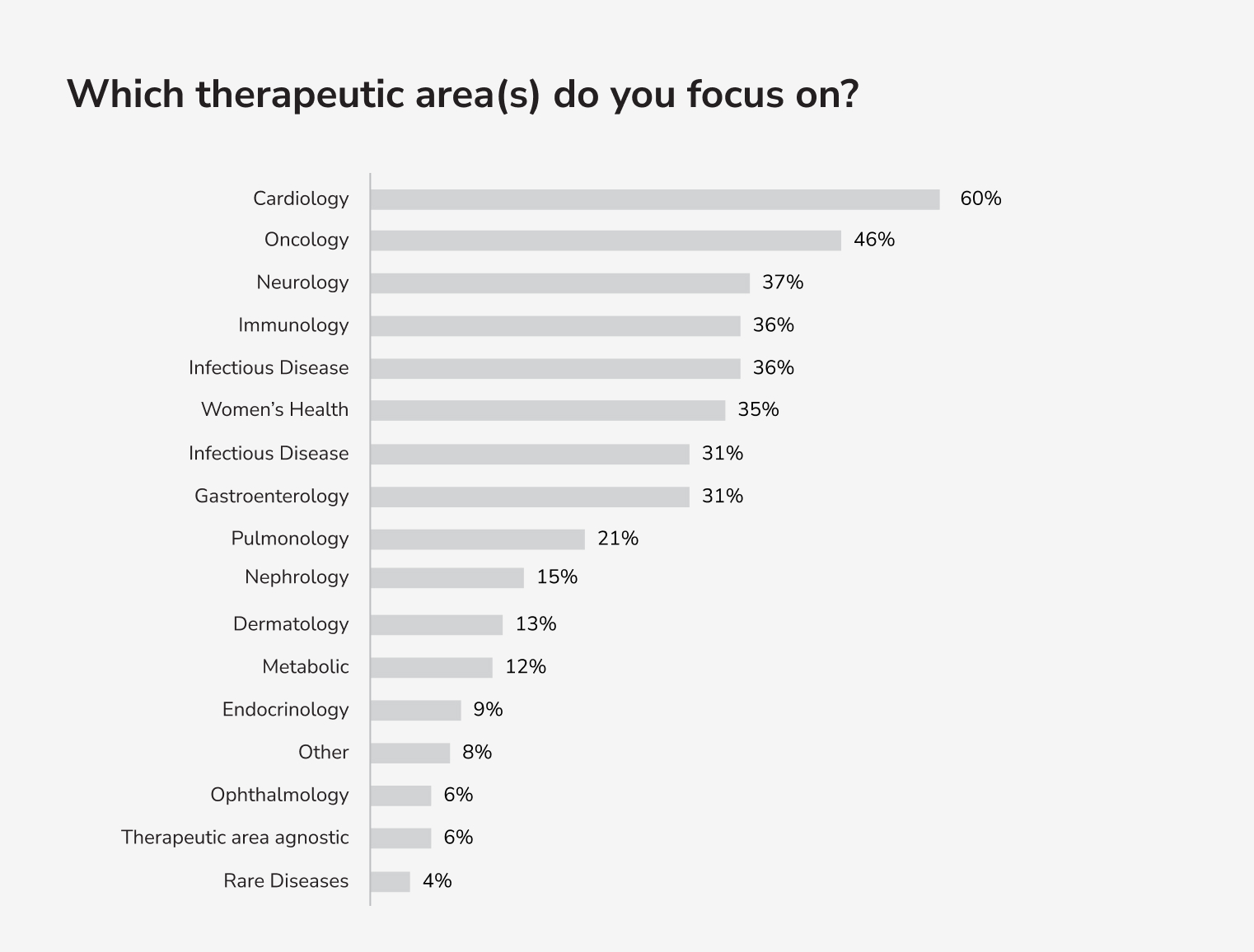
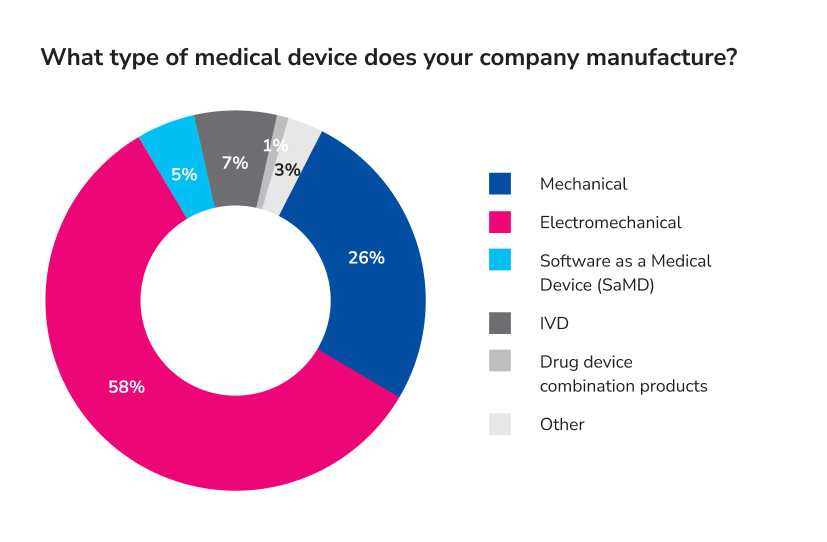
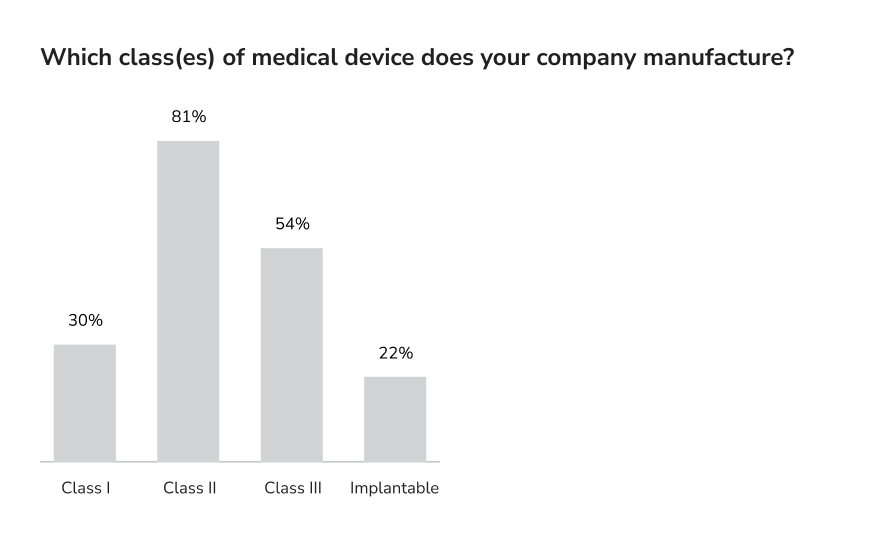
A broad range of manufacturers participated in the study
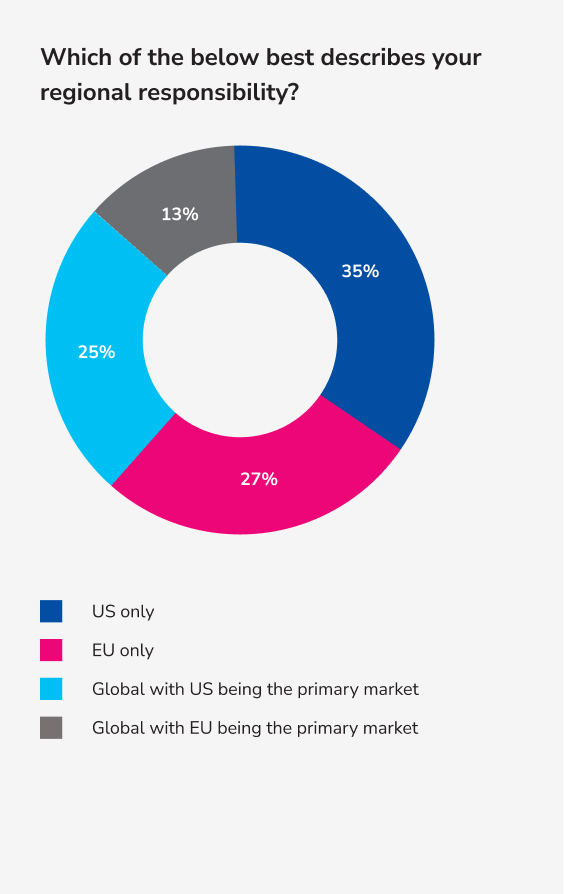
Senior QARA leaders with global responsibility participated in the study
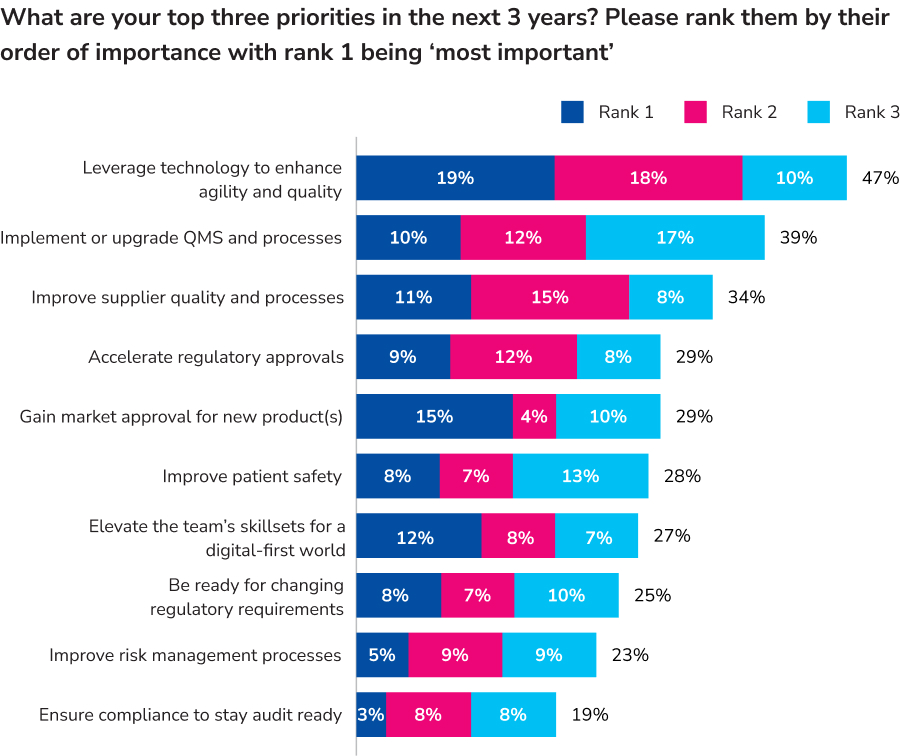
Technology, QMS and supplier quality are the top 3 priorities for QARA leaders
Majority of QARA medical devices leaders call out leveraging technology (47%), implementing or upgrading QMS and processes (39%) and improving supplier quality and processes (34%) amongst their top 3 priorities. While compliance with regulations remains table stakes, there is now a strong drive toward process modernization and digital enablement to elevate speed, accuracy, and efficiency. Accelerating regulatory approvals and improving patient safety also feature prominently—highlighting the dual mandate QARA leaders face: to ensure compliance while enabling innovation and safe market access.
Deficiency reports, customer complaints and CAPA are the top 3 KPIs
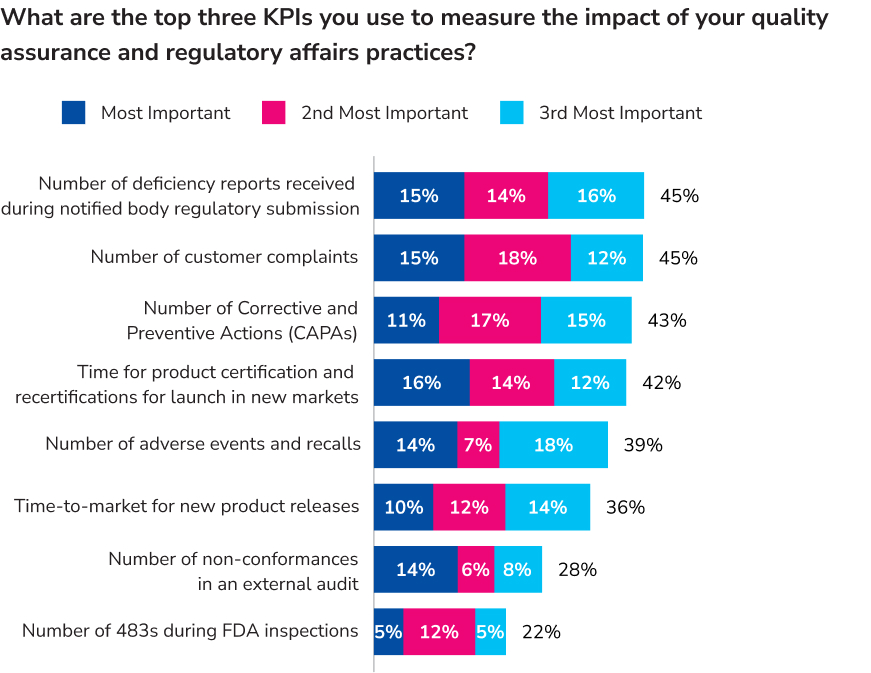
For most QARA leaders, when it comes to evaluating performance, traditional KPIs such as deficiency reports (45%), customer complaints (45%), and CAPA (43%) remain central. Adverse events and recalls (39%) is another important KPI measured by QARA leaders.
However, there is growing emphasis on first-pass submission quality, reflecting a shift toward measuring effectiveness not only in terms of compliance but in reducing rework and streamlining approvals. This evolution signals that QARA teams are maturing—pivoting from retrospective performance checks to KPIs that support faster, more accurate, and scalable product submissions.
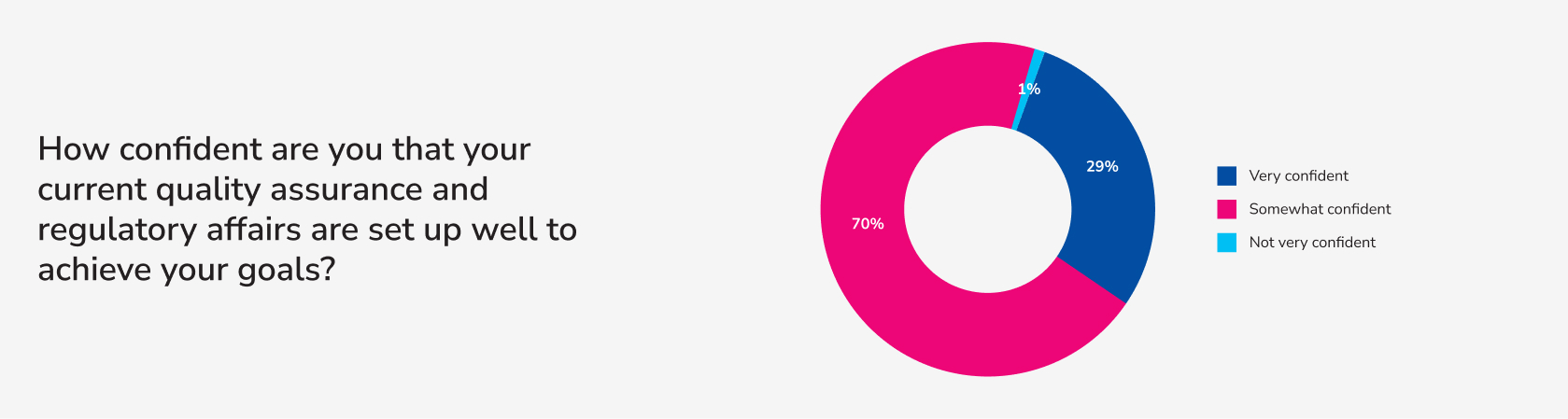
71% of QARA leaders are cautious about achieving their goals
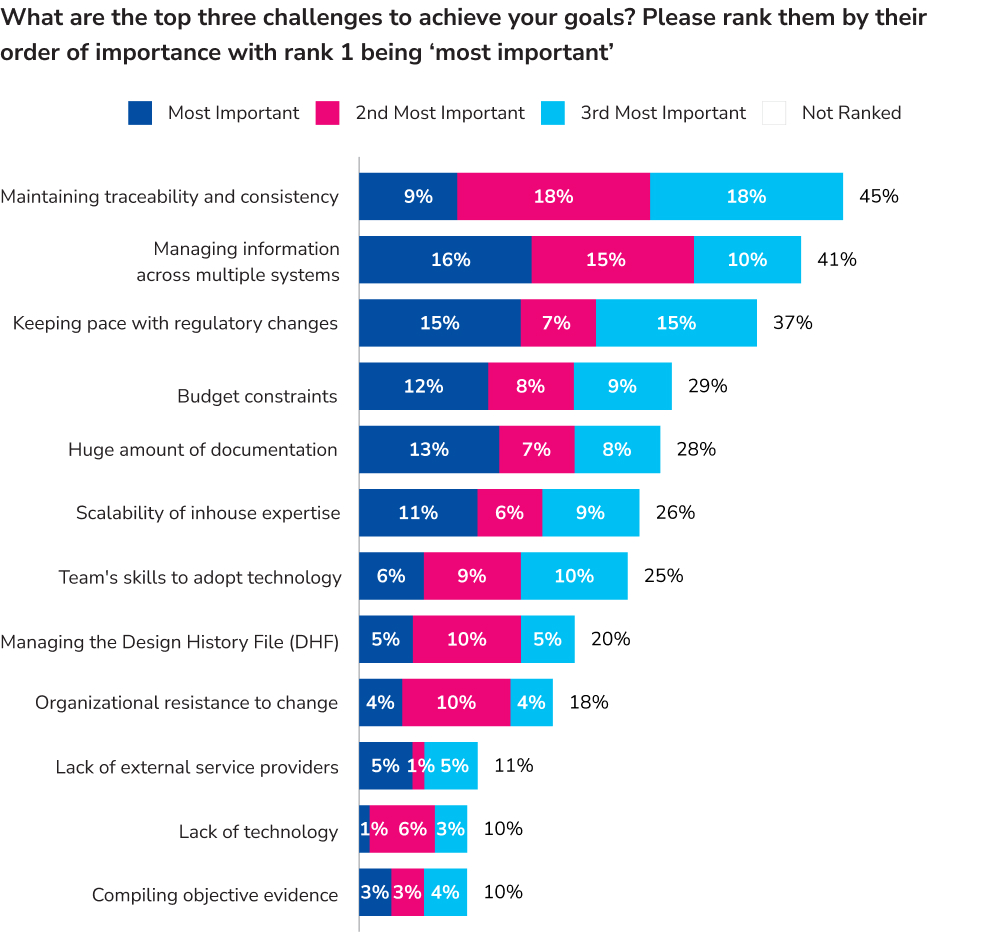
Traceability, siloed information and regulatory changes challenge leaders
QARA leaders continue to face significant challenges across maintaining traceability (45%), data integration (41%), and regulatory change management (37%). Leaders cite fragmented systems, siloed information, and the growing volume of documentation as critical pain points that hinder speed and accuracy. Compounding this is the increasingly dynamic nature of regulatory environments—especially in fast-evolving markets. Many teams struggle to maintain consistent compliance while adapting to shifting local regulations and global harmonization efforts. More leaders call out the huge amount of documentation (13%) as their number 1 challenge than budget constraints (12%).
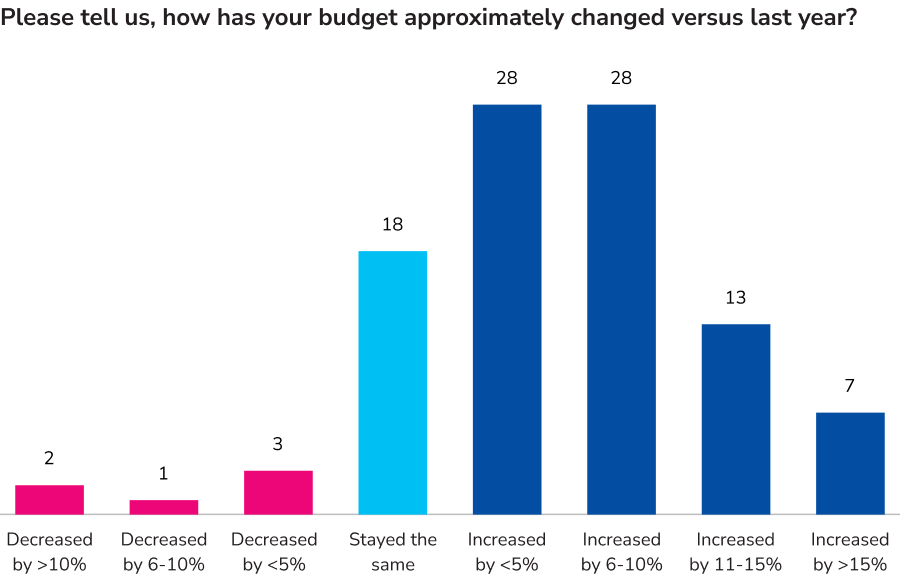
Most leaders increased their budget versus last year
76% of leaders witnessed an increase in their budget versus last year. Only 6% had a lower budget versus last year. 56% of leaders increased their budget by up to 10%. Another 20% of them increased their budget by more than 10%.
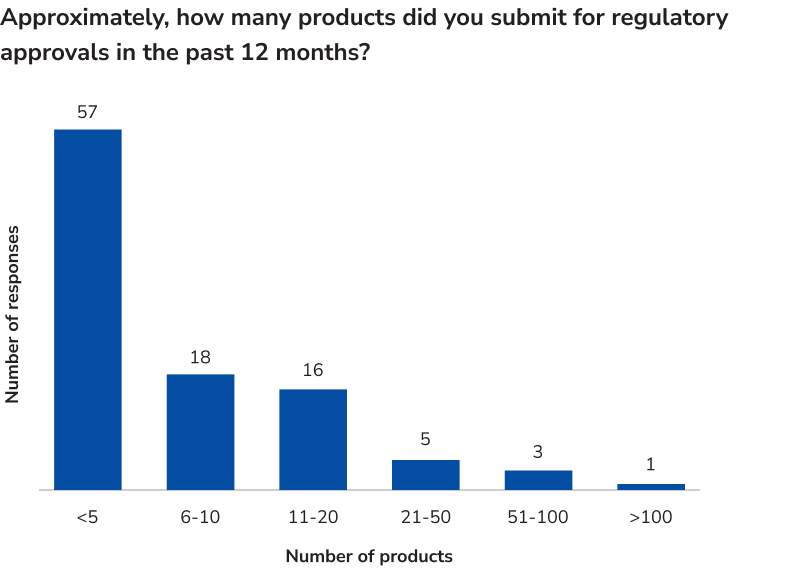
43% leaders submitted 5+ products for submissions in past 12 months
While the volume of submissions varies by organization size and market focus, the overall trend indicates that regulatory operations are scaling. Companies are increasingly managing multiple submissions across diverse geographies, each with unique regulatory nuances.
43% of leaders submitted more than five products for regulatory approval in the past 12 months. A few large companies (with sales exceeding $10 billion) submitted over 50 products during the same period.
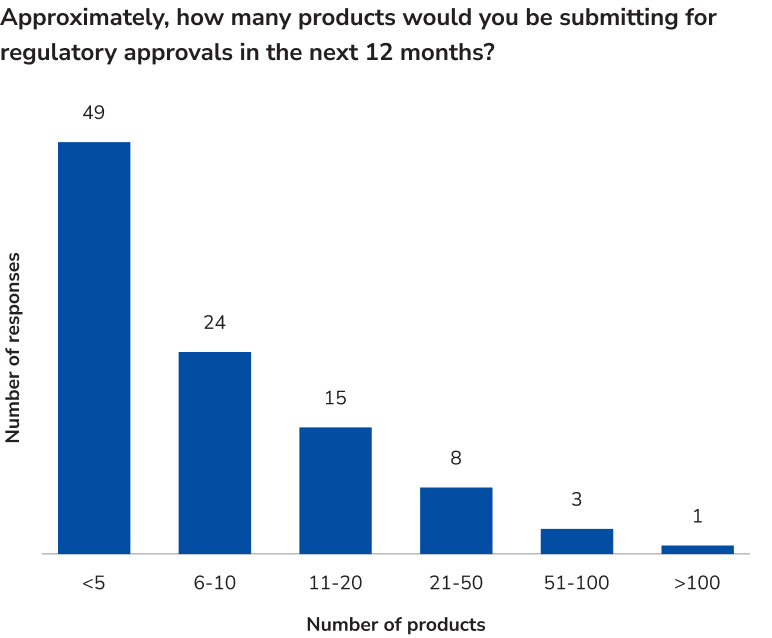
51% leaders planning 5+ products for submissions in next 12 months
Looking ahead, 51% of leaders surveyed are planning regulatory submissions for more than 5 products over the next 12 months. Few large companies (sales >$10 billion) planning over 50 products for regulatory submissions over the next 12 months.
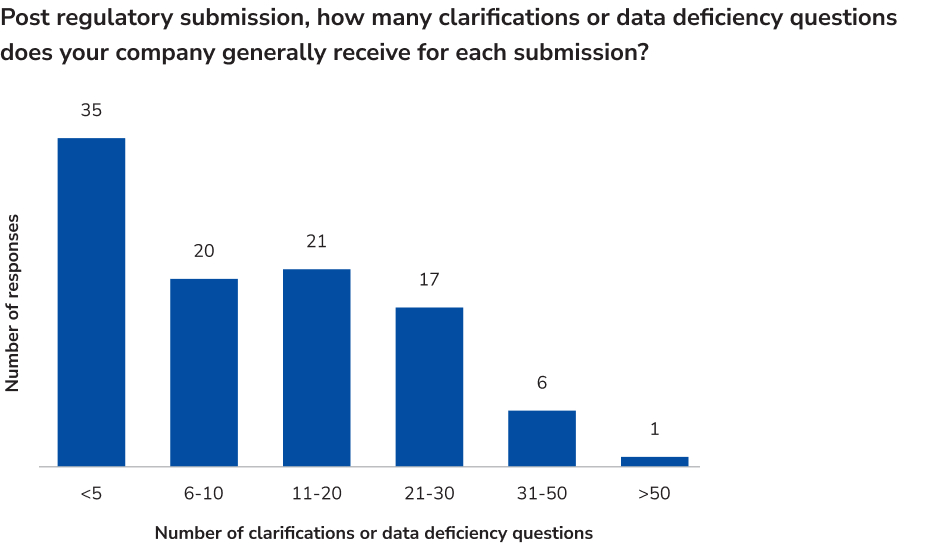
Manufacturers get a wide range of data deficiency questions
45% of manufacturers get more than 10 clarifications or data deficiency questions for each regulatory submission. Few large companies (sales >$10 billion) get more than 10 clarifications or data deficiency questions for each regulatory submission.
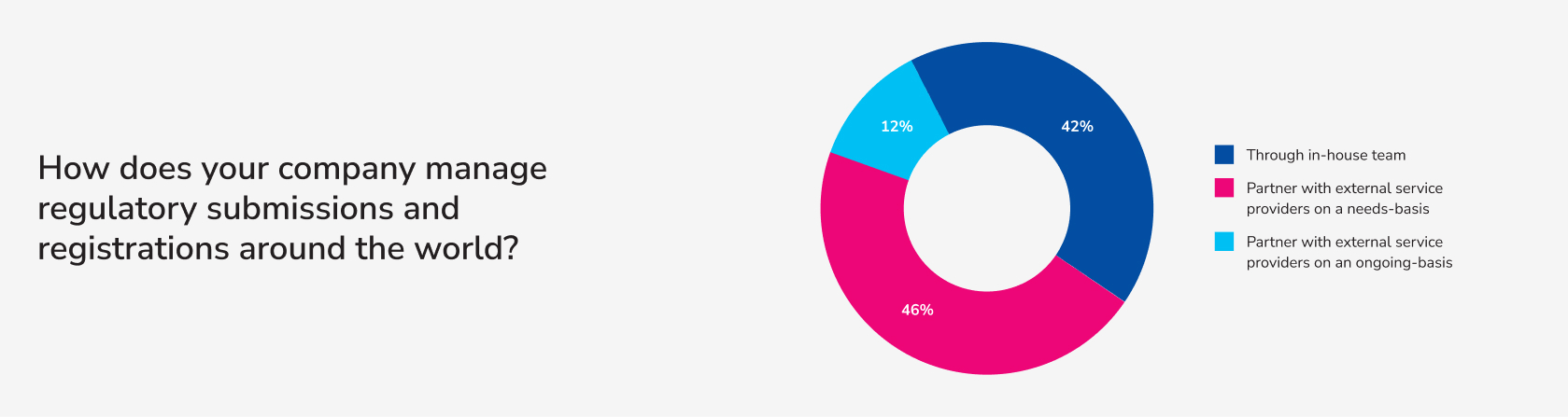
Most companies partner with service providers to manage submissions
46% of the manufacturers surveyed partner with external service providers on a needs-basis while 42% manage regulatory submissions with in-house capabilities.
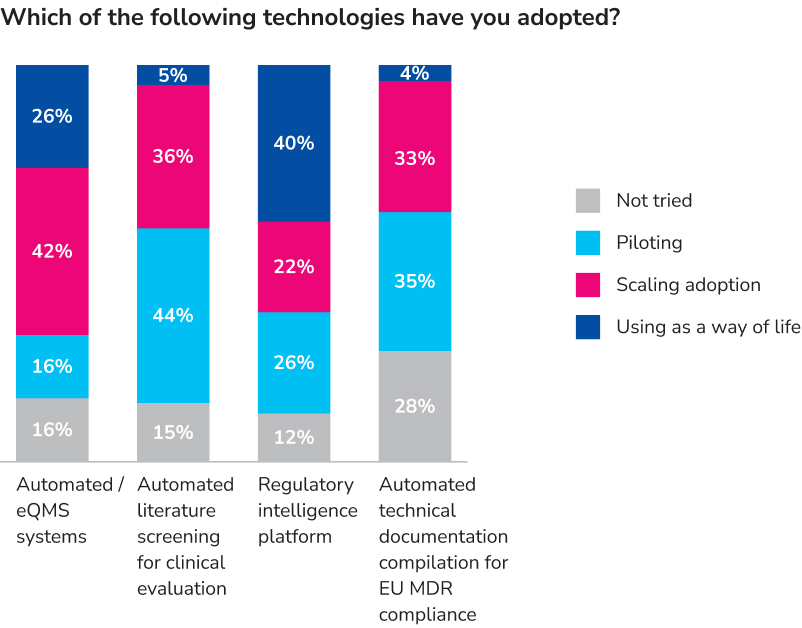
eQMS and regulatory intelligence platform are the most adopted technologies
Among digital tools, electronic Quality Management Systems (eQMS) and regulatory intelligence platforms are leading the way in adoption. 68% of QARA leaders are scaling adoption or using automated / eQMS systems as a way of life. 62% of them use regulatory intelligence platforms often. 44% of leaders are piloting automated literature screening for clinical evaluation, while 35% of them are trying out automated technical documentation compilation for EU MDR compliance.
QARA leaders can improve the effectiveness and efficiency of their operations through the following ways
Create technology-led information radiators to drive agility and accountability
Adopt an eQMS to maintain traceability and consistency and improve accuracy of your data. Get stronger visibility into your quality data so you can monitor and analyze crucial information effectively. The improved data accessibility enables you to improve accountability and find product discrepancies and deficiencies upstream, reduces probability of customer complaints and notified body deficiency reports.
Enhance productivity through AI-based tools to write device technical documents and maintain consistency
Adopt automated software for literature surveillance and content authoring for technical documentation. Learning AI systems help you streamline information lying across the DHF (Design History File) and DMR (Device Master Record) to ensure consistency and a single source of truth and improve productivity up to 50%.
Manage supplier quality through a risk-based approach just like an internal component
Establish critical-to-quality and critical-to-safety specifications for the product. Ensure that these requirements flow down to every component, including the components that suppliers would provide. Assess and mitigate safety risks through a scientific risk-evaluation-process. Perform supplier training and monitor training compliance.
Break silos with cross-functional platform or technology that integrates existing isolated systems
Facilitate cross-functional automation, share data seamlessly and access to files and documents on mobile by adopting relevant technology. Use a platform that breaks down silos and supports cross-functional operations (such as warehouse management, production, procurement, medical device quality control, and shipping) to improve decision-making and speed-to-market.
Manage ever-changing regulatory environment with an Assess-Address-Act methodology
Communication on regulation changes is huge, distributed and daunting to derive actionable insights from. Adopt the Assess-Address-Act methodology to improve turnaround time. Assess: Leverage technology to scan and ingest data regularly from internal and external sources, auto-tag regulatory data based on predefined taxonomy, and interpret data to drive insights. Address: Make changes to QMS procedures, guidelines and templates. Update product documentation in line with QMS changes. Adopt technology to determine lineage of documents to ensure consistency and accuracy. Act: Perform internal and external audits to ensure regulations are implemented correctly.