

Today, most pharmaceutical companies are undergoing transformative digital journeys and understand the critical role of omnichannel marketing solutions in engaging healthcare professionals (HCPs) effectively. To this end, many have launched digital and analytics initiatives and appointed seasoned omnichannel leaders to drive these transformations.
Yet, the impact of these efforts remains underwhelming. 80% of HCPs still report receiving generic, impersonal communications from pharmaceutical companies, and fewer than 20% feel personally engaged.
This reveals a significant gap between omnichannel ambition and execution, underscoring the need for stronger omnichannel pharma marketing strategies.
What are we missing, and how can we course-correct to deliver experiences that truly matter to HCPs?
To answer these pressing questions, we turned to Gurpinder Singh, Vice President of Omnichannel Activation at Indegene. He shares insights on critical gaps and how to address them in the coming years.
Current state of omnichannel pharma marketing
How far along is pharma on the omnichannel journey, and where does it stand on the maturity curve?
Gurpinder: From an impact standpoint, we're still early in the journey—perhaps in the second or third inning of a nine-inning baseball game. There's a lot of experimentation, which is encouraging, but foundational challenges remain.
Here's how I think we can categorize the industry's maturity:

1. Foundational Omnichannel
At this stage, companies primarily focus on adding more channels into the mix-such as email, webinars, and social media. But they lack true integration and personalization capabilities. They are essentially layering digital tactics onto traditional approaches.

2. Developing Omnichannel
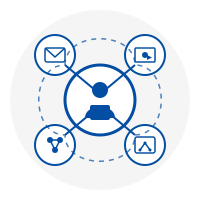
This is where many companies currently reside. They're starting to think about the HCP journey and personalize some interactions, but data silos and legacy systems hinder their progress. They may struggle to connect the dots and deliver a seamless experience.
3. Advanced Omnichannel
Companies at this stage have a strong HCP-centric approach, integrated data systems, and the ability to personalize interactions at scale. They leverage advanced analytics to measure performance and continuously optimize their strategies.

4. Predictive Omnichannel
This is the holy grail we want to get to. Companies at this level use AI and machine learning to anticipate HCP needs and proactively deliver tailored solutions. They're able to predict the next best action for each HCP and orchestrate truly personalized journeys.
Currently, most companies are grappling with the challenges of the 'developing' stage, trying to break down data silos and create a 360-degree view of HCPs for enhanced omnichannel engagement in pharma.
Understanding data challenges in omnichannel execution
How do data silos and integration gaps impact omnichannel success?
Gurpinder: One major challenge is different departments hoard information separately. Marketing may manage non-personal promotion engagement data, sales teams handle customer relationship management records, and medical affairs maintain conference interaction logs. Without a way to connect these pieces, companies can't gain a unified HCP view, making HCP targeting and cohesive experiences nearly impossible.
Even when data is consolidated, its quality can be a major roadblock. Inconsistent formats, incomplete records, and outdated information can skew analysis, leading to inaccurate insights and misguided decisions.
Furthermore, in the rush to collect data, companies sometimes overlook data governance and security. This can create a "Wild West" scenario where data integrity is compromised, and regulations are violated. The consequences can be severe - legal issues, reputational damage, and a loss of HCP trust. These data challenges ripple across the entire omnichannel journey. Without a clear understanding of the HCP derived from good quality, integrated data, your HCP targeting efforts will miss the mark.
Overcoming data barriers in omnichannel
What strategies can help bridge critical data gaps and drive better decision-making?
Gurpinder: Overcoming data barriers in omnichannel starts with shifting from simply collecting data to strategically managing it. This means breaking down data silos and building a 360-degree profile for every HCP you engage with. This profile should go beyond basic demographics to include their professional interests, prescribing habits, preferred communication channels, and even their interactions with your brand. Investing in tools like a customer data platform can help centralize this information, giving you a 'single source of truth.' With this comprehensive view, you can segment HCPs, personalize content, and optimize channel strategies. Of course, it's not just about gathering data; it's about keeping it clean and up-to-date. Regularly cleansing and updating your data ensures accuracy and consistency. All these steps are crucial for delivering impactful omnichannel pharma marketing strategies.
Investing in tools like a customer data platform can help centralize this information, giving you a 'single source of truth.' With this comprehensive view, you can segment HCPs, personalize content, and optimize channel strategies.
Of course, it's not just about gathering data; it's about keeping it clean and up-to-date. Regularly cleansing and updating your data ensures accuracy and consistency. All these steps are crucial for delivering impactful omnichannel pharma marketing strategies.
Breaking down omnichannel myths in pharma
What common misunderstandings are holding back effective omnichannel execution?
Gurpinder: There are a few common misconceptions about omnichannel that I often encounter:

The "shiny new toy" syndrome
It's the belief that simply adopting the latest CRM, marketing automation platform or adding new channels in the mix will solve all your omnichannel challenges. But technology is just a tool - an enabler, not the entire solution. Companies sometimes get so caught up in the excitement of new technology that they skip the crucial foundational work of building a strategic, HCP-centric approach.

The "digital-only" delusion
This is where omnichannel becomes synonymous with digital, and in-person interactions get sidelined. While digital channels are essential, we can't forget the power of human connection. Face-to-face meetings, conferences, and even phone calls play a vital role in building trust and rapport with HCPs.

The "one-and-done" initiative
Omnichannel is an ongoing process. You need to continuously monitor your strategy, gather data on HCP preferences, analyze performance, and adapt your approach over time. It's about constantly learning and evolving.
Charting the course for omnichannel success in 2025 and beyond
What key steps should pharma take to fully optimize omnichannel strategies and drive impactful results?
Gurpinder:

Never lose the human touch
Remember that omnichannel is about connecting with people, not just pushing messages through channels. The biggest mistake is building a plan without putting the HCP at the center. Go beyond basic demographics and truly understand your audience – their pain points, preferences, motivations, and their individual journey. Use data and insights to create detailed HCP personas that guide your strategy and help you personalize every interaction.

Orchestrate, don't just add
Omnichannel isn't about being on every channel; it's about delivering a seamless, connected experience across the channels your customer prefers. Don't fall into the trap of blasting the same message to everyone through low-cost digital channels. Instead, focus on crafting valuable content that resonates with each HCP on their preferred channel, fostering engagement and trust.
Tear down those data walls
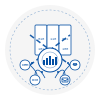
Invest in systems and processes that integrate data from all your sources, creating a unified view of each HCP. This "single source of truth," or the "digital nervous system," will enable you to personalize interactions, identify trends, and make data-driven decisions that optimize your strategy.

Embrace true innovation
Don't confuse "digital" with "innovation." Digital tools are powerful enablers, but they're not solutions in themselves. Use them strategically to amplify your offline activities, automate tasks, and create more efficient and effective processes.

Remember that one size does not fit all
What works for one brand or therapy area may not work for another. Your omnichannel strategy needs a solid contextual foundation and a deep understanding of your specific HCP audience.
Navigating omnichannel pitfalls
What red flags should companies watch for in their omnichannel execution?
Gurpinder: Here are four red flags that suggest a pharma company's omnichannel strategy might need a tune-up:

Sticking to outdated processes or workflows
Omnichannel success demands a customer-centric mindset, which means rethinking traditional methods and embracing approaches that prioritize HCP needs and preferences.
Siloed teams with an "us vs. them" mentality
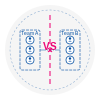
Disjointed efforts between internal teams hinder progress. A unified approach with aligned, cross-functional teams working toward shared goals is critical for seamless execution.
Measuring success or adoption by internal metrics instead of HCP impact
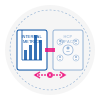
Metrics like email volume or website visits may look great, but if they don't align with HCP preferences, they result in missed opportunities for meaningful engagement
Rushing without a roadmap
Jumping into omnichannel with overly ambitious goals, such as activating every channel or deploying advanced tools without a solid foundation, can backfire. This often overwhelms teams, strains resources, and results in inconsistent execution. A phased approach, starting small and scaling strategically, ensures sustainable growth and impact
Promising omnichannel technologies to leverage
Which technologies are leading the transformation of omnichannel today?
Gurpinder: I'm particularly excited about the transformative potential of AI/ML and Generative AI in shaping omnichannel marketing solutions for pharma.
Take AI, for example—it already enables the prediction of HCP behavior and facilitates real-time, personalized interactions at scale.
Generative AI, in particular, is a game-changer. Tools like ChatGPT have already demonstrated their ability to create engaging content, but the potential extends far beyond text and images. Generative AI can analyze vast datasets to craft hyper-personalized content and provide tailored recommendations for individual HCPs.
Here are some use cases where I see it making a significant impact:

Hyper-personalized content
Generative AI can be trained to understand linguistic nuances and regional preferences, ensuring that marketing materials are accurate, culturally relevant, and engaging for every HCP, regardless of their location or preferred communication style.

Streamlined workflows
Generative AI can automate time-consuming tasks, freeing marketers to focus on strategy and creativity rather than routine operations.

Enhanced market research
Generative AI can process and analyze large volumes of market research data at incredible speed. It can uncover emerging trends, identify gaps in current engagement strategies, and suggest innovative ways to improve omnichannel engagement in pharma.

Data crunching and insights generation
One of the most powerful applications of Generative AI is its ability to process and analyze massive amounts of data from multiple sources. By synthesizing data from CRM systems, website interactions, email engagement metrics, social media, and third-party providers, Generative AI can generate actionable insights for marketing teams in record time.
This is just the beginning. As Generative AI continues to evolve, we can expect even more innovative applications that will transform how we engage with HCPs and patients in the years to come.
From Promise To Performance.
Trusted by all 20 of the world's top 20 pharmaceutical companies, Indegene helps life sciences organizations accelerate outcomes across the entire value chain.