

Why Omnichannel Activation Matters Now
Brand planning used to follow a familiar formula: field force activation, media planning, and single platform messaging. It was efficient. Routinized. Predictable. But that model was built for a different time—before HCP expectations shifted, before digital habits matured, and before every marketing dollar had to fight harder to prove its worth.
Today’s reality demands something sharper. More responsive. More data-driven. Physicians expect tailored content. Patients want meaningful support. And brand teams are under pressure to deliver results faster, leaner, and across more touchpoints than ever.
That pressure is mounting on two fronts:
1. Macroeconomic shifts and mounting ROI pressure
Economic uncertainty, slower-than-expected growth in key markets, and policy-driven pricing pressures (like the Inflation Reduction Act) are reshaping the commercial landscape. As scrutiny on pharma spending intensifies, brand teams are being asked to stretch budgets further and show faster returns. There’s a renewed push to make every marketing touchpoint count, especially across the omnichannel transformation journey.
2. Changing HCP and patient engagement behaviors
Physicians and patients alike are now digital-first. In-person access has shrunk post-COVID, and preferences have shifted toward more personalized, on-demand touchpoints. This evolution has created new possibilities through smarter omnichannel orchestration and data-driven engagement.
In this environment, omnichannel activation isn’t just a nice-to-have. It’s the engine that powers relevance and results. It’s helps you show up smarter—using real-time insights to orchestrate personalized, high-value touchpoints across field and digital. When done well, omnichannel activation turns brand plans from static documents into dynamic experiences that actually move the needle.
But making it work takes more than intent. It requires the right capabilities, the right partnerships, and a shift in how you think about segmentation, content, and measurement. Let’s break it down.
Making Omnichannel Activation Work: 4 Essentials for Impact
1. Micro-segment your physicians
Broad segmentation doesn’t cut it anymore. To drive real results, double down on omnichannel content management fueled by deep insights. Start by mapping each HCP’s content and channel preferences, and score them based on digital affinity and likelihood to engage.
Pull in closed-loop marketing data, sales performance, anonymized patient-level insights, and specialty demographics to power your targeting. Then use machine learning to predict which physicians are most likely to engage, how they prefer to receive content, and when they’re ready to act.
This kind of physician-level intelligence isn’t just helpful—it’s non-negotiable. It ensures your resources are focused where they’ll move the needle most, setting the foundation for smarter, more personalized omnichannel activation.
2. Personalize your content
Personalization isn’t optional, it’s expected. In a global Indegene survey of 984 digitally-savvy HCPs :
77% said they use digital channels for personal learning
68% rely on video conferencing for professional networking
62% feel overwhelmed by the volume of promotional content they receive
And yet, companies continue to push generic messaging.
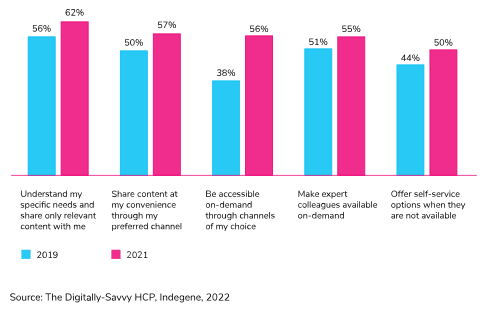
What physicians want is simple: relevance. 62% say they want reps to understand their needs and only share tailored content. To meet that expectation, apply deep segmentation insights to identify what each physician values. Categorize your insights by format, topic, and channel. Then modularize your content and automate delivery so you can personalize at scale.
This is where omnichannel content management becomes a competitive advantage, allowing you to create fewer assets, deliver more impact, and align field and digital like never before.
Figure 1: What purposes do HCPs use digital channels for?
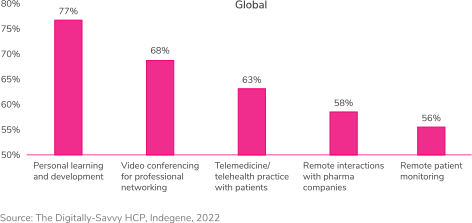
Figure 2: Which type of content are HCPs overwhelmed with?
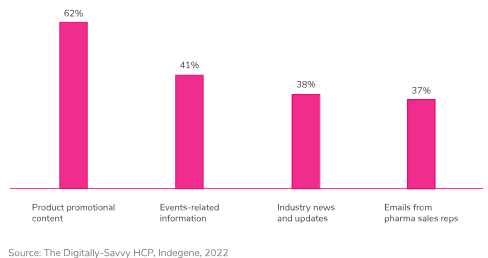
Figure 3: How did HCPs‘ sense of value for pharma representatives change from 2019 to 2021?
3. Prioritize the right channels
Omnichannel activation isn’t about showing up everywhere. It’s about showing up where it counts.
Indegene’s survey reveals how dramatically physician preferences have shifted:
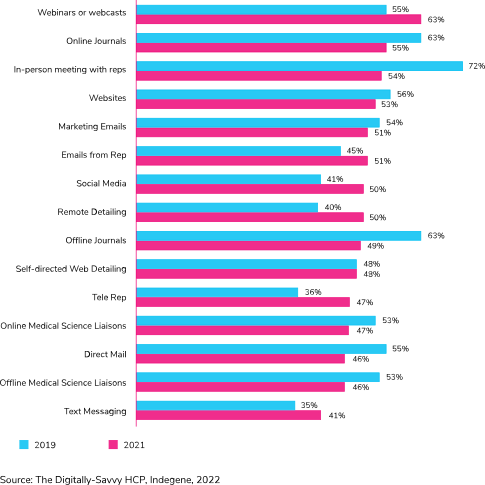
63% prefer webinars (up from 55% in 2019)
Only 54% still want in-person rep meetings (down from 72%)
50% now engage with brands on social media
57% want reps to share content via their preferred channels
Despite this, many brand teams still lean heavily on traditional engagement methods.
To improve ROI, start by measuring each HCP’s channel effectiveness score—a data-driven view of how and where they prefer to engage. Then tailor your omnichannel orchestration accordingly.
Figure 4: How did pharma companies‘ use of channels to engage with HCPs change from 2019 to 2021?
4. Optimize in an agile way
Physician preferences aren’t static, and your brand plans can’t be either. Too often, rigid planning cycles prevent brand teams from adjusting engagement strategies on the fly. But HCP expectations shift fast. The longer you wait to respond, the more your content loses relevance, your omnichannel activation strategy weakens, and your brand experience erodes.
Instead, build agility into your process. Continuously track content performance and omnichannel reporting signals. Then use the data to refine what you deliver, where, and how often . When your campaigns can flex in real time, they stay aligned with HCP needs and business goals.
With an effective omnichannel activation model, you turbocharge your brand planning in the following ways:
You respond quickly to rapidly changing physician and patient preferences
You empower field sales and marketing teams so their programs are lock-in-step with each other
You leapfrog established competitors and promising upstarts who are evolving new ways of going to market
Omnichannel Activation in Action: Real-World Wins
1. Omnichannel activation augments sales reps with digital engagement
The non-primary indication of a leading pharma company‘s product did not receive the necessary resources to drive success. The lack of awareness about congenital auto-inflammatory rare disease resulted in slow diagnosis, long patient journeys, and low prescriptions. The brand struggled to identify the right patients in a small population and make the most of the untapped market‘s potential.
Indegene segmented the brand’s audience by specialties, uncovered new therapy areas, and identified 30,000 potential physicians for the non-primary indication through APLD and Symphony. It then mapped the identified physicians with its proprietary physician interaction data and identified and targeted 12,393 high and medium potential digital affinity physicians. Indegene developed a channel and content mix with insights from its proprietary AI-powered smart profiles—enabling smarter omnichannel orchestration. It also personalized patient journeys for faster enrollment by leveraging the NEXT HCP Journey Optimization platform.
As a result, the brand grew revenue by $80 million in just two and a half years and reduced its sales and marketing cost by 40%. 100% of the brand‘s sales and marketing team now focuses on the primary indication—while omnichannel transformation drives growth for the non-primary indication. Read the full case study here.
$80 million
↑ revenue
40%
↓ cost
100%
aligned sales and marketing
2. Omnichannel activation drives growth in a white space
A leading pharma company needed to optimize its field force as its major drug brand approached loss of exclusivity (LOE). To avoid any impact on its topline, the brand aimed to expand its reach and prescriber base in a whitespace market—while reducing sales and marketing costs.
It turned to Indegene to power its strategy. Indegene applied its Digital Rep Equivalence model to measure and deliver the same impact as a field rep through orchestrated digital engagements. It amplified sales force efforts with omnichannel activation to educate physicians in whitespace geographies. Using omnichannel content management and digital affinity insights, Indegene segmented and targeted physicians with the highest probability of conversion—backed by prescription potential data and payer mix analytics.
As a result, the brand expanded market coverage by 30%, saved 70% in sales and marketing costs, and grew prescriptions by 10% in the whitespace territory. Read the full case study here.
10%
↑ prescriptions
30%
↑ market coverage
40%
↓ sales and marketing cost

Make Omnichannel Activation the Core of Brand Planning
As physicians and patients become more digitally savvy, pharma brand teams must embrace a digital-first omnichannel approach to stay relevant. The evidence is clear—when done right, omnichannel activation not only boosts engagement but also delivers measurable impact across prescriptions, reach, and cost efficiency. With evolving expectations, tighter budgets, and rapid shifts in engagement behavior, now is the time to move from intent to execution.